
UtdFaithfuls is written for Manchester United fans who want a clean place to read Man United news, follow Manchester United updates, share Manchester United fan opinions, and keep up with matchday. It also includes a guide library that covers the extra search terms people type when they land on unfamiliar pages or see strange names in apps and posts.
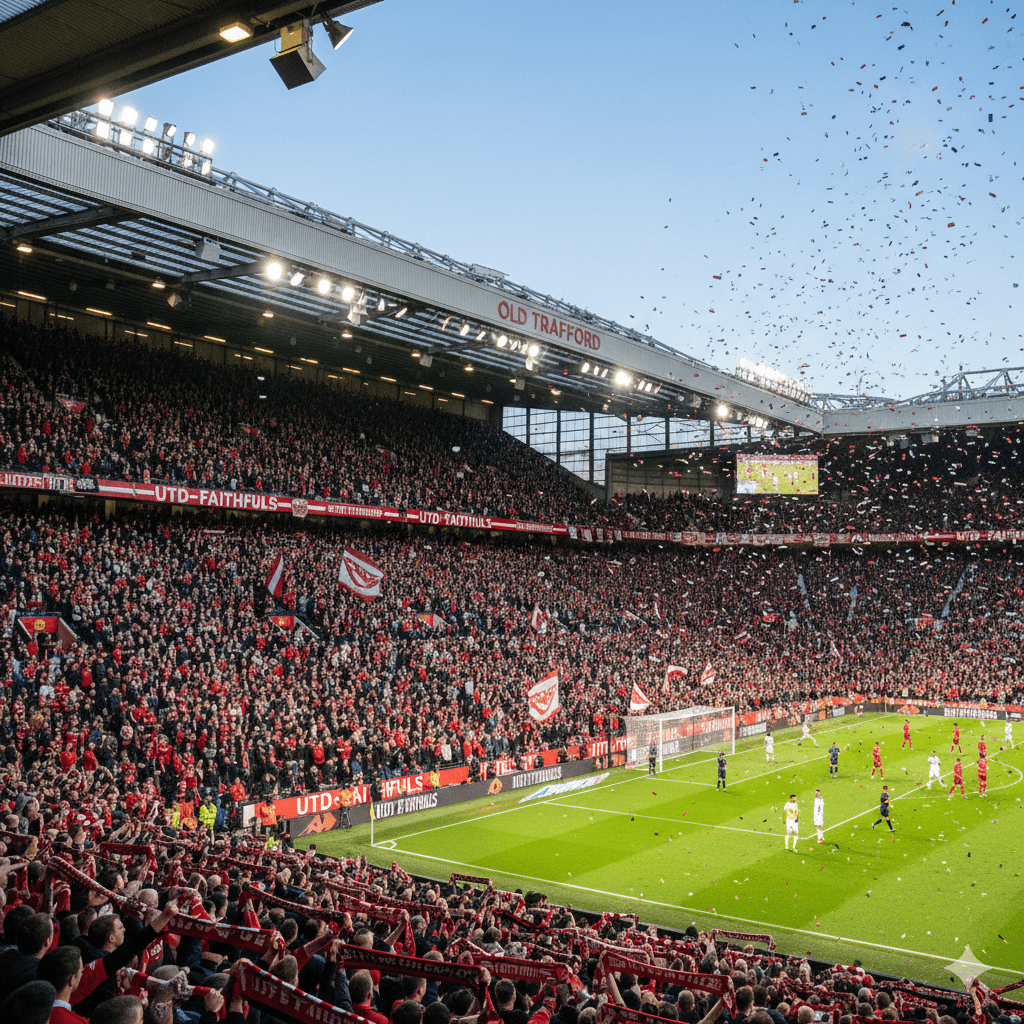
You might arrive through a brand search like utdfaithfuls, UTD Faithfuls, utdfaithfuls website, utdfaithfuls.co.uk, or a social search like utdfaithfuls twitter. In practice, all those searches point to the same intent: finding the right home for the name and getting the latest MUFC content without clutter.
What UtdFaithfuls covers
UtdFaithfuls is structured around three main categories that match how supporters read football content.
Transfers and rumours
This section tracks squad movement in a way that stays readable. It covers confirmed movement, ongoing talk, and squad planning in plain language.
What readers usually want from transfer coverage
A transfer page works when it answers four questions fast:
Who is being linked
What is known right now
What is still unknown
What changes if the deal happens
The section sits naturally beside terms like Man United supporters, Red Devils supporters, and MUFC supporters website, since transfer windows pull in every type of United fan.
Match previews and reports
Matchday content is the heart of any Manchester United fan site. It turns the weekly schedule into a rhythm fans can follow.
Match preview content
A match preview focuses on what fans talk about before kickoff:
Team news
Likely shape
Opposition threat
First goal problem or advantage
Key matchup zones
This is the most natural place for phrases like utdfaithfuls live and Man United match analysis, since the preview sets the stage for what fans expect to see.
Match report content
A match report is written for the hours right after full time. The clean version keeps a clear storyline:
What happened
Where it turned
Who stood out
What it means for the next game
Tactics and player analysis
This section exists for readers who want more than a scoreline. It breaks down patterns, roles, and player form.
Player focus content
A player page works when it stays consistent. It can hold a form update, an injury note, and a role explanation in one place. This is where search terms like Utdfaithfuls players feel natural.
The UtdFaithfuls homepage experience
A homepage built around utdfaithfuls needs to feel like a front door, not a random feed. Readers want recognition fast: they typed a name and expect the same name back.
Brand block
The top of the page carries the name in clean text:
UtdFaithfuls
UTD Faithfuls
UtdFaithfuls news
This block also captures the social intent that appears in searches like utdfaithfuls twitter.
Latest stories grid
The grid sorts content by the three categories:
Transfers and rumours
Match previews and reports
Tactics and player analysis
The grid keeps MUFC latest stories easy to scan. It also supports people who arrive looking for Manchester United updates.
Match Center
A match center is the simplest way to keep fans returning. It contains:
Next fixture details
A preview entry
A post-match report entry
Player ratings entry
A short match analysis entry
This section supports the phrases United faithful community and MUFC fan community, since it becomes the shared reference point fans talk around.
UtdFaithfuls community pages and fan culture
A strong MUFC blog reads like a community, not a wall of headlines. This part is written for supporters who care about the feel of the club.
Fan opinion pages
Fan opinion content works when it stays grounded in real match moments and real club history. It holds views that match what supporters argue about:
Selection debates
Role changes
Youth chances
Style of play
Matchday atmosphere
This fits search phrases like Manchester United fan opinions, Manchester United fan culture, Man United fan articles, and Manchester United fan site.
Fan forum and discussion terms
Some readers search for community terms directly:
United fan forum
Red Devils fan page
MUFC blog
MUFC fan community
A clean community section uses those phrases naturally, in context, without trying to force them into every paragraph.
UtdFaithfuls social discovery terms
Readers often search social platforms by name or by the people tied to transfer chatter.
utdfaithfuls twitter
This phrase is a straight “find the account” search. People type it when they want match notes, quick reactions, and rumour talk in real time.
Fabrizio Romano Twitter
This phrase often appears when fans follow transfer updates through journalist posts. It comes up during heavy windows and deadline days.
UtdDistrict, Utdxclusive, Centredevils
These names often show up as reference points in MUFC fan spaces. They are part of the broader fan-media ecosystem that supporters compare and discuss:
UtdDistrict
Utdxclusive
Centredevils
UtdFaithfuls can mention those terms as part of the wider conversation fans already recognize.
The UtdFaithfuls guide library
The rest of your keyword list contains a lot of non-football searches. These often appear when someone sees a strange label in a browser tab, an app error, a social post, a forum comment, or a low-context blog page.
This library is written in a calm, direct style. It explains what each term usually points to and what readers tend to look for after typing it.
Tech and web queries
The tech terms below often come from users trying to identify a site or understand a label that appeared on a page.
geekzilla io tech and geekzilla for geeks
These phrases usually come from readers trying to identify what Geekzilla publishes and what section they reached.
What this search often leads to
It often leads to:
A tech post archive
A gadget write-up
A general tech news section
A themed page built around “for geeks” branding
world archives business eyexcon and eyexcon com
These phrases read like site discovery searches. The word “archives” often signals a page that groups older content or collects business posts.
What readers usually want
Readers typically want:
A plain definition of the site’s topic
A quick description of what the site contains
A simple way to locate the content section they were trying to reach
kronosshort com and digital legacy kronosshort
These phrases often appear around digital identity topics. “Digital legacy” is a common phrase used for accounts, data, and the footprint someone leaves behind online.
What this topic usually covers
Digital legacy discussions often include:
Account lists
Password managers
Trusted contact settings
Old profiles and subscriptions
What happens to photos and messages after long inactivity
primacoast
This is a short brand-like keyword. It can appear as a company name, a label, or a site section name.
Why short names get searched
Short names get searched when they show up without context, like:
A footer brand mark
A watermark on images
A profile name
A domain mentioned in a comment
designmode24 design, interior design designmode24, www designmode24 com
These phrases point to interior design or design inspiration interest. Readers often want to know what the site is and what kind of images or posts appear there.
What “design” queries tend to include
Readers usually look for:
Room style examples
Color and layout ideas
Furniture picks
Space planning tips
Image collections for moodboards
Software and error searches
A large chunk of your keywords sits in a “software name + update + issue” pattern. These queries usually happen when someone sees a strange title and wants a simple explanation.
develop oxzep7 software
This phrase reads like a dev-related topic paired with a name that looks like a product label.
What readers typically expect from this search
Most readers expect:
What the name refers to
Where it appears
What the software does
What “develop” means in that context
zenvekeypo4 software and problem in zenvekeypo4 software
This keyword pair points to troubleshooting intent.
What “problem in” queries usually mean
“Problem in” searches typically come after:
A crash
A failed update
A login loop
A blank screen
A missing file message
software meetshaxs update and software name meetshaxs
This pair often comes from version confusion. People see a name, then a prompt about an update, then they type both into search.
What update-related pages usually include
A clear update page tends to cover:
Where the current version shows
What changed recently
What happens if the update fails
What the name refers to in the first place
bvostfus python issue fix
This phrase reads like a technical error query tied to Python usage. It often points to a missing package, environment mismatch, or version conflict.
What Python issue searches usually want
Readers usually want:
The error message explained
Which part is failing (install, import, run)
The simplest path back to a working run
the error llekomiss
This phrase reads like a direct error label. It often appears when an app throws a short, non-human error tag.
What error-label searches tend to cover
They often cover:
What triggered the error
Whether it repeats
Whether it blocks a feature or blocks the whole app
Whether it appears after an update or after a login change
Education portal terms
These searches are usually navigational. People want the right login page or want to understand a school label attached to a portal.
schoology alfa, schoologyalfa, alfa schoology, schoology alfa
These terms point to Schoology usage tied to a specific school or group name “Alfa”.
What portal searches typically include
They usually include:
Login route for students
Login route for parents
Password reset steps
Where assignments and announcements sit
Gaming, esports, and play pages
These searches often show up when a user is trying to identify a site name, a gaming blog, or an esports outlet.
games tgarchirvetech, tgarchirvetech, tgarchirvetech gaming
These phrases look like a site or label tied to gaming content.
What readers normally want
They often want:
What the site is about
Which games it covers
Whether it is news, reviews, or downloads
Where the main categories sit
durostech gaming fun
This keyword reads like a gaming or hobby page. It often comes from a page title that blends a name with a theme phrase.
What this type of query usually signals
It often signals:
A blog name or channel name
A category tag inside a blog
A themed page title
esports news dualmedia
This keyword signals esports content interest.
What esports news searches often focus on
They often focus on:
Match results
Team changes
Tournament calendars
Patch-driven meta changes
Food and cooking queries
Your list includes two food queries tied to a name.
online food trends fhthopefood
This phrase reads like a page or site name plus a topical query around food trends.
What “food trends” searches tend to cover
They often cover:
Popular recipe styles online
Short-form cooking content patterns
Ingredient hype cycles
Seasonal spikes like winter drinks or summer salads
what should i cook based on what i have fhthopefood
This phrase signals a very specific intent: cooking with available ingredients.
What this type of cooking query usually contains
It tends to contain:
Ingredient-first planning
Pantry ideas
Substitution logic
Fast meal templates
Music guide and site discovery queries
These keywords read like a person name plus a site name plus “music guide”.
how to elena website thesoundstour
music guide elena website thesoundstour
elena from music site thesoundstour
elenas music guide thesoundstour
These phrases often appear when a reader saw a page or profile, then tried to find it again.
What “music guide” searches usually ask
They often ask:
Who the person is on the site
What kind of content they post
Where the guide sits inside the site navigation
What “TheSoundsTour” contains as a whole
ninawelshlass1
This looks like a handle-style keyword. Searches like this often come from a username seen in a comment thread, a post, or a profile header.
What handle searches tend to lead to
They often lead to:
A profile page
A social account
A content list under that name
A repost trail across platforms
Blog referral and trail keywords
from blog playbattlesquare
This phrase reads like a referral marker or a line from a post template. People type it when they saw “from blog …” in a snippet and want the original page.
What referral-marker searches often involve
They often involve:
A syndicated post trail
A copied snippet reused across sites
A tag line included in a template
Skincare query term
apply cilxarhu677 cream
This keyword reads like a product name or batch code paired with an action word. Searches like this often happen when someone has a tube in hand or saw a label in a listing.
What readers typically want
They typically want:
What the cream is used for
How to apply it
What to avoid mixing it with
What to do if irritation appears
One more keyword included in your list
recipes jelly com recipesjelly com
This phrase reads like a brand navigation query typed as a domain phrase. It usually appears when someone is trying to reach the home page or confirm the correct site name.
Closing note
This page brings all your provided keywords into one clean structure. The first half centers on utdfaithfuls as a MUFC fan brand with content for Manchester United fans, Man United supporters, matchday coverage, fan opinions, and player analysis. The second half is a guide library that explains the extra site, software, error, portal, gaming, food, music, and lifestyle terms in your list, including develop oxzep7 software, zenvekeypo4 software, the error llekomiss, bvostfus python issue fix, schoology alfa, geekzilla io tech, kronosshort com, designmode24 design, online food trends fhthopefood, from blog playbattlesquare, and more.
FAQs